Growing Petunias

I love growing petunias because they have color most of the year, are drought tolerant, easy to propagate, and have low maintenance. These lovely flowers will grow continuously until the first frost. Petunias are perfect for growing in the Deep South. They also are easy to overwinter for young plants started in late summer or early Fall, and enjoy again in the Spring. Petunias will grow great in flower beds, in containers, or hanging baskets. So they have a fast growth rate and spread easily.
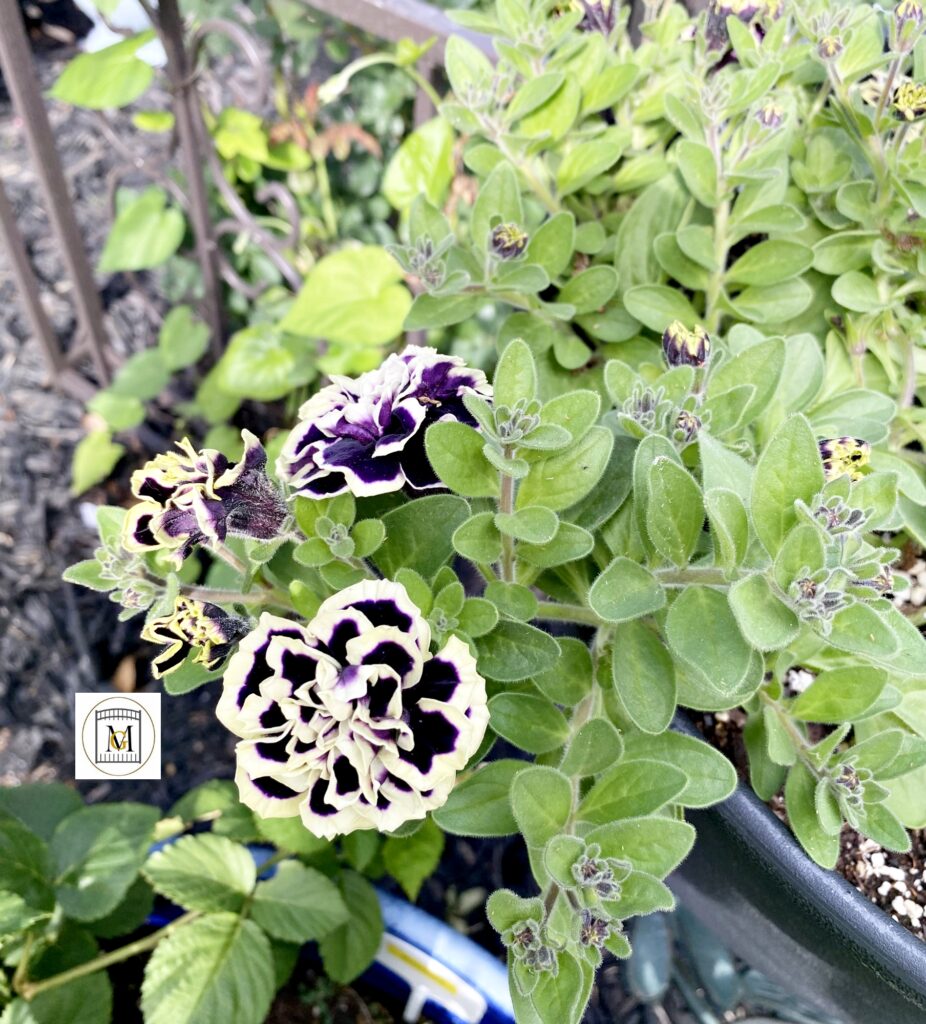
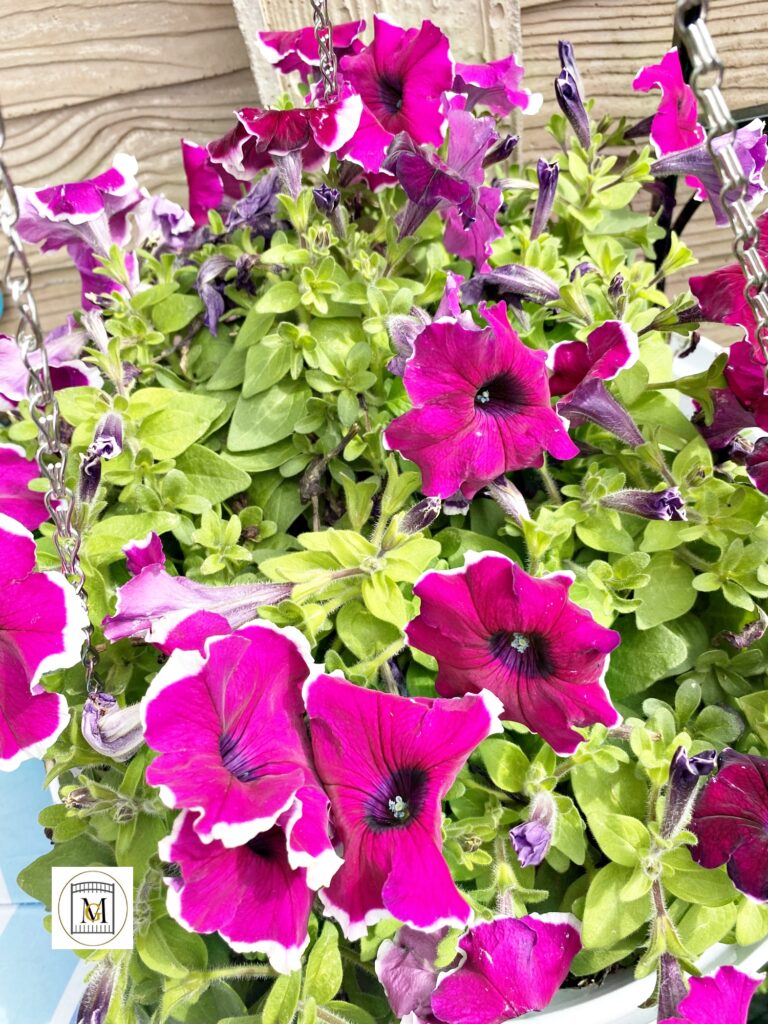
Petunias come in a variety of colors and hybrids. Also, the beautiful blooms can vary in size which is wonderful. There are seven major commonly recognized types (Grandiflora, Multiflora, Milliflora, Spreading/Wave, Hedgiflora, Floribunda, and Miniflora). So once you add in the hybrids, there are hundreds of types. There are now petunias that do not need to be deadheaded and are self cleaning called Supertunias.
Don’t Forget To Follow Me On Pinterest!
If you need Potion/Apothecary Bottle Party Labels, see my available downloads here: https://majorgates.com/product-category/potion-apothecary-labels/

Petunias are tender Perennials in zones 9-11, but grown in most areas as annuals. So a tender perennial is a plant that lives for more than two years (perennial) but cannot survive freezing temperatures. Essentially, it is a plant that acts as a perennial in tropical or warm climates but is killed by frost, meaning it must be treated as an annual or brought indoors in colder climates.
Here is a quick chart on Petunias.
| Sun-Shade | Full Sun |
| Bloom Time | Summer, Late Spring/Early Summer, Fall, Early Spring, Late Summer/Early Fall |
| Gardening Solution | Super Showy, Container Plant, Carefree, Unique, Attracts Butterflies, BLOOMS ALL SUMMER!, Border Plant |
| Size | Medium – 12″- 24″ spreading/mounding |
| Soil Moisture | Moderate, well drained soil |
| Cold Hardiness |
40° F
|
| Growing Zone | 9-11 |
Fertilizing Petunias
Petunias are heavy feeders that require regular, high-iron, water-soluble fertilizer for continuous blooming, especially in containers. The best fertilizer for petunias is a balanced, water-soluble, or liquid formula with a NPK ratio of 15-30-15 (Miracle Grow) or 24-12-17, or 20-6-22 applied weekly. Or you can use a slow-release granular fertilizer applied at planting like Osmocote. So selecting a fertilizer high in iron is very important (especially EDDHA iron) because it maintains deep green foliage and prevent iron deficiency in high pH soils.
Supplies For Petunias
- Pot
- Garden Gloves
- Hanging Pot
- Potting Mix
- Hand Shovel
- Fertilizer – Osmocote or Miracle Grow
- Perlite (optional if you need to improve soil drainage)
- 20-40lb bag of river rocks, lava rocks, or landscaping rocks for drainage in pots and hanging baskets (get at local home improvement stores)
Affiliate links are in this post. So, I may receive a small commission at no extra cost to you if you make a purchase through my affiliate link. Therefore, I only recommend products that I use or would use and love! So, I have saved you the time of searching for good products for you. As an Amazon Associate I earn from qualifying purchases. Just click on the pictures or links for the items seen in this post.
To see my available Party Bundle Label Downloads, click here: https://majorgates.com/product-category/party-bundles/

Companion Plants
So the dark downside to most of these attractive, tough plants is that they can grow out of control, overtaking desirable plants in the flower beds. Invasive Mexican petunias form large, horizontal roots that grow above and below ground, making them difficult to remove, and even small pieces that are overlooked can regrow. So I think petunias look best in hanging baskets and containers and they are easy to move around in the best growing location.
Petunias thrive with sun-loving, well-draining companions that offer contrasting textures and heights, such as Verbena, Salvia, Snapdragons, Lobelias, and Sweet Alyssum. The key is making sure you plant petunias with Full Sun plants that have the same watering and fertilization needs.
How to Propagate Petunias
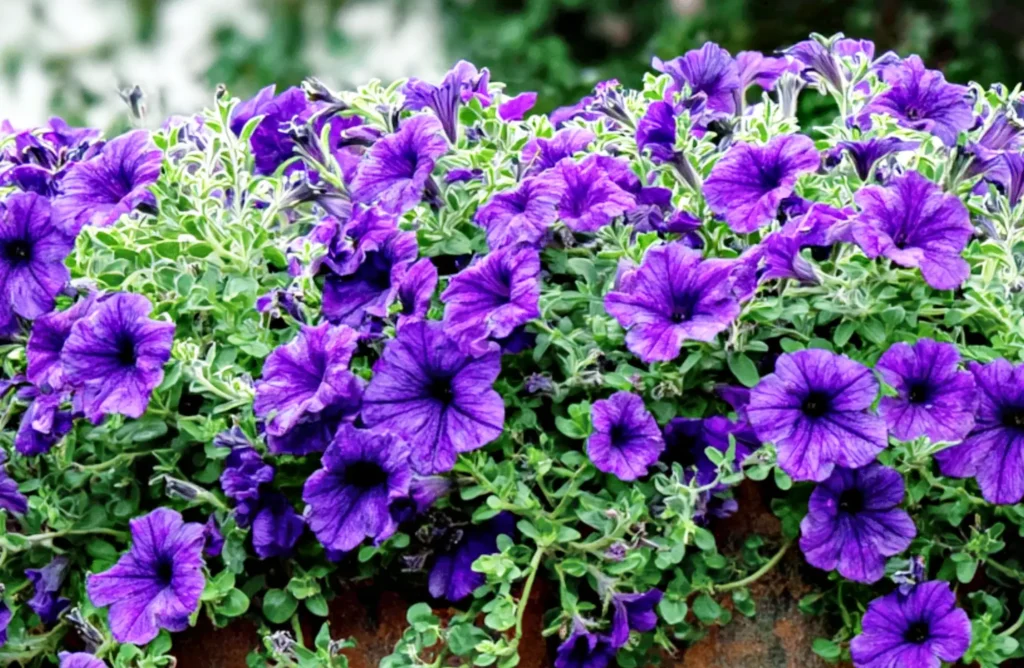
For unique varieties of petunias in beautiful hybrid colors and bloom sizes, search on-line or plant catalogs. Local home improvement stores and nursery’s typically sell traditional petunias. Once the plant is established and growing well is when I like to take cuttings for more plants and to continue the plant into next year. Propagating petunias is easily done by taking 3-4 inch tip cuttings from healthy plants in Spring or early Summer. Remove lower leaves and any flowers, dip in rooting hormone (optional), and plant in moist, well-draining potting mix. Keep them in bright, indirect light with high humidity until rooted, usually within 2–4 weeks.
I also have propagated in water. So I purchase clear toothbrush holders from my local dollar store and use them to populate cuttings in water. They fit perfectly in the toothbrush holes at the top and are the perfect depth for the water. You can also easily see the roots forming in the clear toothbrush holder. Use sharp shears to cut just below a leaf node. Remove the lower leaves, leaving only 2-3 leaves at the top. Remove any flower buds to ensure energy goes directly to root development.
You can also split petunias, especially when multiple seedlings are crowded in a single cell or pot. Gently tease the roots apart on a moist surface, or use a sharp knife to cut through root-bound clumps. Overcrowded petunias should be divided to provide more space, allowing them to grow larger and healthier.
Another way to propagate petunias is by collecting the seeds. So harvest petunia seeds in late summer or autumn when the seed pods turn brown, dry, and begin to split open. At this stage, the tiny, dark brown-to-black seeds are mature and ready for collection. Avoid harvesting green pods, as they are not mature, and look for pods that have already cracked slightly to ensure viability. Just note that petunia seeds are very tiny and fine and need light to germinate. Collect the seeds in a container and leave them in the container uncovered for a couple weeks to dry out completely. When the pods are fully dry, separate the seed from the pod. Put in a labeled seed bag and keep in a cool, dry, dark place until you are ready to plant them.
To see my available 2-Liter/Wine Bottle Party Label Downloads, click here: https://majorgates.com/product-category/2-liter-wine-bottle-labels/

Planting
For a 12-14 inch basket, use 4-6 starter plants in 4-inch pots. A 14-inch container plant only 2-3 plants per container and a full look will be established in 3-4 weeks. To make sure you have proper drainage, drill additional holes in the bottom of the pot or planter. Also, line the bottom with rocks. Use larger rocks for larger pots and small gravel for small pots or hanging baskets. Then add the potting mix half way, then add the plants and add the rest of the potting mix.
So for petunias grown in the ground, just make sure the soil is well draining or add amendments to improve the soil. Also, remember that petunias are spreading plants, so leave room for them to grow. You want to plant them with companion plants, that love the sun, like slightly acidic to neutral soil, and like to be fed.
To see my available Jeopardy/Trivia Game Party Downloads, click here: https://majorgates.com/product-category/jeopardy-trivia/
